
ICJ verdict in Rohingya genocide case against Myanmar today
 (BSS) - Nearly seven years after The Gambia brought Myanmar before the International Court of Justice (ICJ) over alleged genocide against the Rohingyas, the world's highest court is set to deliver a landmark judgment today that could reshape international accountability for atrocities against ethnic minorities.
The case, instituted on November 11, 2019, concerns alleged violations of the 1948 Convention on the Prevention and Punishment of the Crime of Genocide by Myanmar against its Rohingya Muslim minority, particularly during military operations in Rakhine State in 2016 and 2017.
The judgment, to be delivered at the Peace Palace in The Hague later in the day, is expected to address whether Myanmar violated its obligations under the Genocide Convention and the legal consequences of any violations established by the Court.
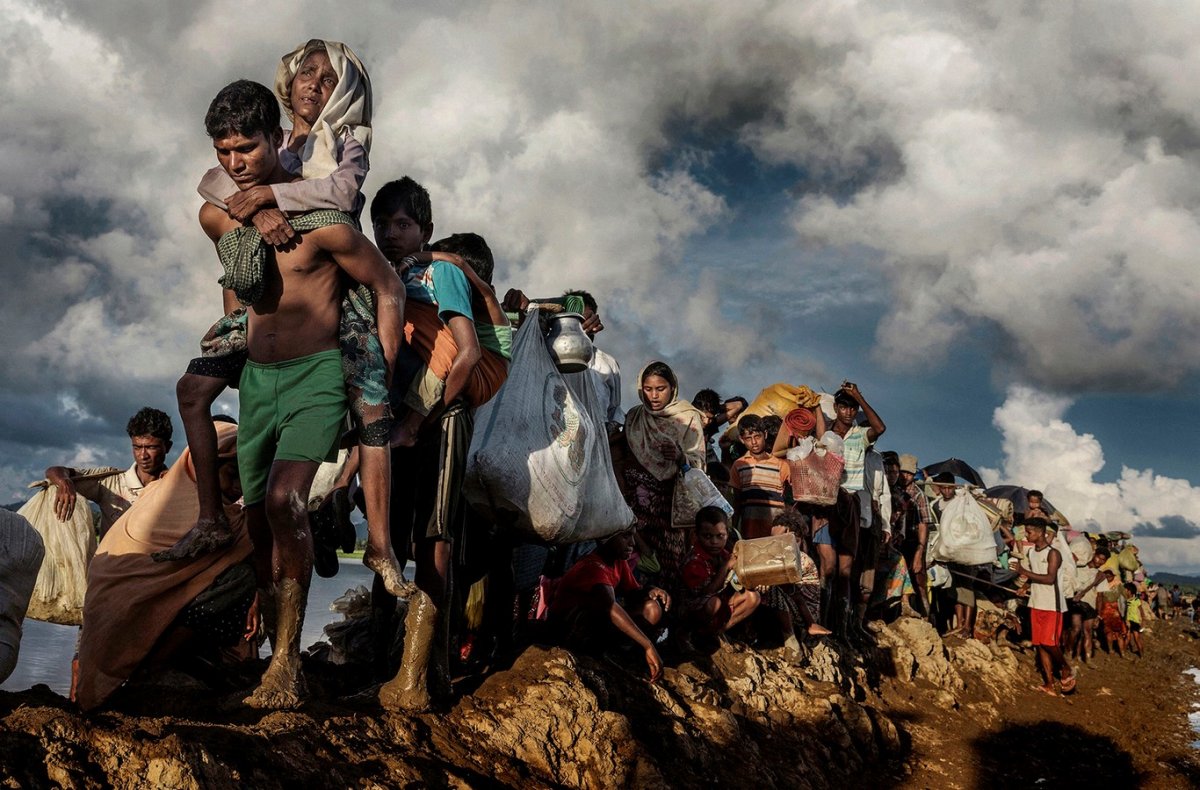
The military crackdown in 2017 forced more than 750,000 Rohingyas to flee across the border into Bangladesh, joining earlier waves of refugees escaping persecution and violence. The mass displacement, reported killings, sexual violence and destruction of villages prompted international condemnation and calls for justice.
The Gambia alleged that Myanmar's security forces committed genocidal acts, including killings, serious bodily and mental harm, sexual violence and the deliberate destruction of Rohingya settlements, with the intent to destroy the group, in whole or in part.
The proceedings have emerged as a landmark effort to establish state responsibility under international law, as The Gambia pursued the case despite not being directly affected by the alleged atrocities. It invoked the Genocide Convention, arguing that its obligations are shared by all states parties and can be enforced through the ICJ.
In January 2020, the ICJ unanimously ordered Myanmar to take measures to prevent acts covered by the Genocide Convention, protect the Rohingya from further harm, preserve evidence and submit periodic compliance reports. The order was a provisional measure and did not constitute a determination that genocide had occurred.
Myanmar challenged the Court's jurisdiction and the admissibility of the case, but the ICJ rejected its preliminary objections in July 2022, allowing proceedings to continue.
For Bangladesh, which continues to host a massive Rohingya refugee population in Cox's Bazar, the ruling carries profound humanitarian and diplomatic significance. A finding of state responsibility could reinforce international pressure for accountability, strengthen demands for safe and dignified repatriation, and renew calls for a durable solution to the protracted refugee crisis.
Responding to a question about his expectations from the judgment, Bangladesh Law, Justice and Parliamentary Affairs Minister Md Asaduzzaman replied with a brief but firm answer: "Justice."
However, the verdict alone will not guarantee repatriation, compensation or criminal accountability for individual perpetrators, as implementation will depend on legal, diplomatic and practical measures beyond the Court's judgment.
The decision is being closely watched as a test of the international community's commitment to preventing genocide and ensuring justice for victims of mass atrocities
Copyright © 2026 UkhiyaNews.Com. All rights reserved.