
Why Possession Does Not Always Mean Better Football
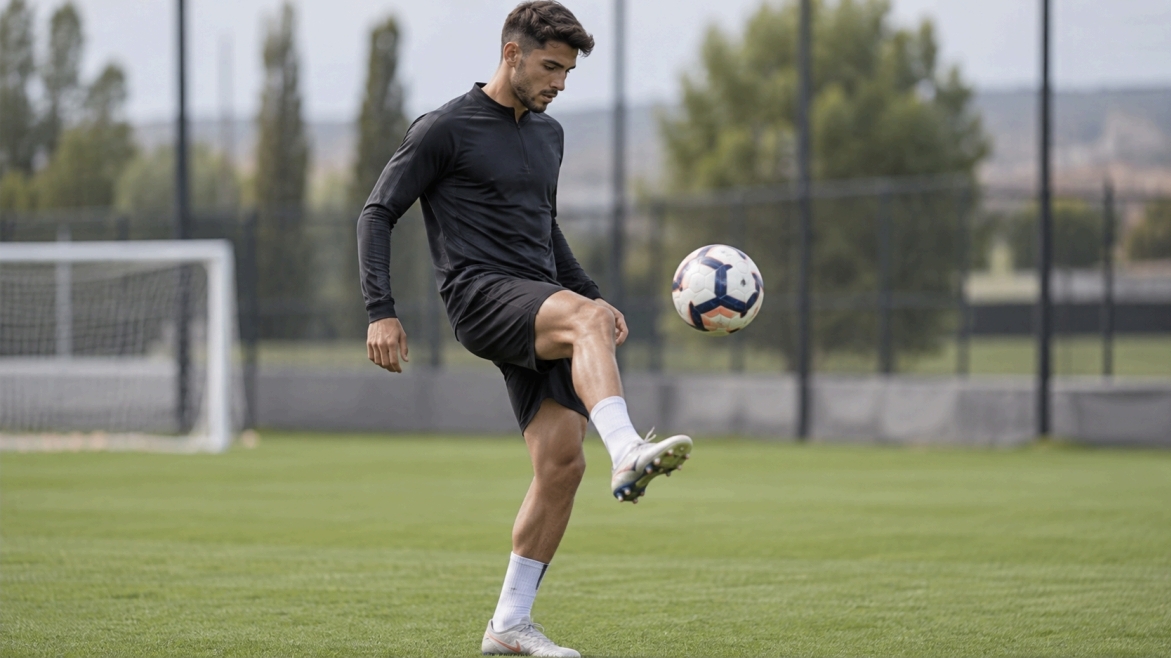 Why Some Football Teams Look Better Without the Ball
Possession has long been considered one of the visible measures of football performance. A team that controls the ball for 60 or 70 percent of a match can appear to be the winning side. Watching the game more closely often tells a different story.
Some teams are at their best when they do not have the ball. By trying to control possession they focus on controlling space, forcing mistakes and creating opportunities when possession changes hands. Their success comes from what they do without the ball rather than how long they keep it.
This approach has become a part of modern football analysis related to MobCash 1xBet and other bookmaker services. It also shows why statistics such as possession should rarely be considered on their own when assessing a team's performance.
Possession Is Not the Same as Control
Having the ball does not automatically mean controlling the match.
A team can complete hundreds of passes without creating dangerous chances. Meanwhile, an opponent with less possession may create several clear opportunities through quick transitions.
The difference often comes down to where possession takes place. Passing the ball between defenders is very different from moving it into the third and creating space around the penalty area.
This is why analysts increasingly look beyond possession percentage when evaluating how a team is playing.
Some Teams Prefer to Control Space
Teams that’re comfortable without the ball often defend in a compact shape. The distance between defenders and midfielders remains relatively small making it difficult for the opponent to play through the middle.
By chasing the ball everywhere players may focus on protecting specific areas of the pitch.
An organised defensive structure can force opponents to:
• Play sideways passes
• Attack through less dangerous areas
• Attempt difficult passes
• Send crosses from positions
• Take long-range shots
The team without possession may therefore have less of the ball while still limiting the quality of the opponents attacks.
Pressing Can Turn Defence Into Attack
Not every team without possession simply sits deep.
High pressing is another way of using the absence of the ball to create an advantage. Players try to close down opponents after possession is lost or when the opposition attempts to build from the back.
The objective is often to force a rushed decision.
A misplaced pass near the halfway line can quickly become a counter-attack. A defender receiving the ball under pressure may be forced into a clearance. A goalkeeper can also become part of the pressing trap if passing options are limited.
This makes pressing a form of attacking football even though the team technically does not have possession.
Counter-Attacks Reward Direct Play
Some teams deliberately allow their opponents to have more of the ball because they are comfortable attacking spaces.
Once possession is recovered the transition can happen within seconds. A midfielder may immediately look for a pass while wide players accelerate into space and the striker moves towards the penalty area.
The effectiveness of this approach depends on timing and decision-making.
A successful counter-attack often requires players to recognise space before the opponent has time to reorganise. Speed is important. So is knowing when to pass, carry the ball or slow the attack down.
The Location of Possession Matters
One useful way to understand these teams is to consider where the opposition has the ball.
| Match situation | What the defending team may try to achieve |
|---|---|
| Opponent building from defence | Limit passing options and encourage predictable passes |
| Possession in midfield | Keep the defensive shape compact |
| Opponent enters wide areas | Protect the penalty area and force crosses |
| Ball recovered | Move forward quickly before the opposition reorganises |
| Counter-attack develops | Exploit open spaces behind advancing players |
This shows why a possession statistic can sometimes hide the tactical battle taking place.
Why This Matters for Live Football Analysis
The difference between possession and control becomes particularly noticeable when following a match in time. A team may have 35 percent possession but still be creating the more dangerous chances.
Live football platforms and services including MobCash 1xBet can provide access to changing match information.. Numbers become more useful when they are considered alongside what is happening on the pitch.
For example a sudden increase in shots or dangerous attacks may indicate that a team's transition strategy is working even if its possession percentage remains low.
Similarly high possession combined with shots or limited entries into the penalty area may suggest that the dominant-looking team is struggling to turn control of the ball into meaningful opportunities.
Why Losing Possession Can Be Part of the Plan
For some teams giving the opposition the ball is not a sign that the tactical plan has failed.
A coach may deliberately want the opponent to move forward because this creates space behind the midfield or full-backs. Once the ball is recovered that space becomes the target for an attack.
This requires discipline. Players must maintain their positions recognise when to press and know when to protect their shape
The approach can look passive when viewed through possession statistics but it can be highly active from a tactical perspective.
The Ball Is Only Part of the Game
Football is ultimately about creating and preventing opportunities not simply holding onto the ball.
For some teams the best route to doing that involves controlling possession. For others it means controlling space pressing at the moment and attacking quickly after winning the ball.
That is why a team can look more dangerous with 35 percent possession, than another side with 65 percent. The difference is not necessarily how much the ball is controlled. What matters is what each team does when it has it. And what it does while it does not.
Copyright © 2026 UkhiyaNews.Com. All rights reserved.